For organisations
Corporate Headshots, Branding Photography and Video for Teams
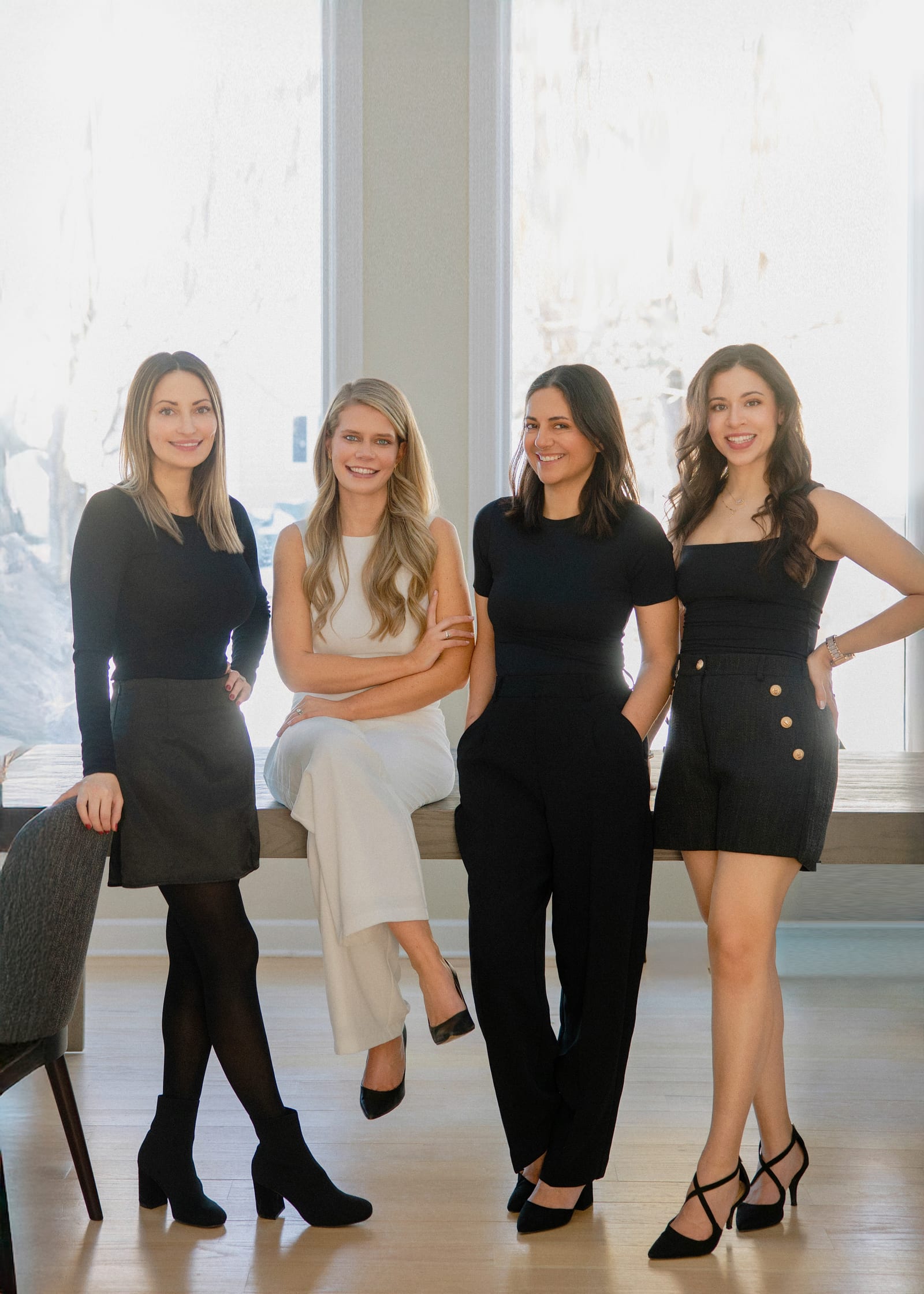
Most organisations do not have a photography problem. They have fifteen photographs taken by fourteen people over eight years, and a leadership page that quietly says nobody owns it. Kay Choi photographs whole teams in a single visit, films the people inside them, and leaves an organisation with a set of images that still match each other three years later.
What a corporate engagement covers
- 01
Team and leadership portraits, on site
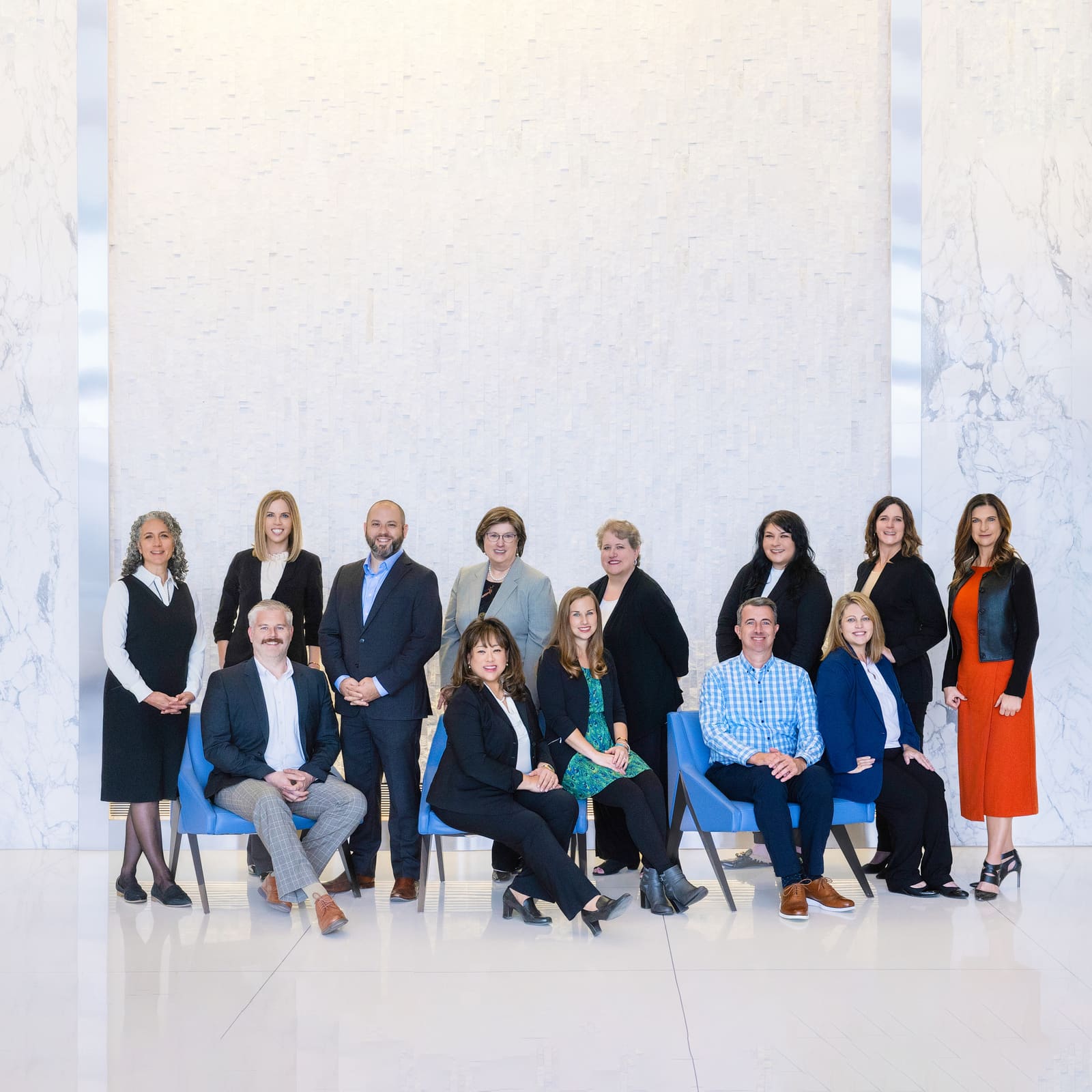
The studio travels to your office, clinic or facility and runs to a scheduled rota, so a staff directory ends up looking like one organisation rather than a collection of accidents. One background, one lighting position, one framing distance — recorded, and repeatable for whoever joins next year.
- 02
Company culture photography
Your people doing the work: the floor, the ward, the workshop, the meeting that actually happens. These are the images that carry a careers page, a recruitment campaign or an annual report, and they are the ones almost nobody has.
- 03
Events, conferences and leadership days
Awards evenings, conferences, board days and staff celebrations, photographed so the room looks like itself. Coverage is planned around the running order rather than wandering through it.
- 04
Video
Short films made alongside the photography, or on their own — staff and clinician profiles, testimonial films cut with captions for silent autoplay, and social clips sized for each platform. Filmed and edited in house.
Why a team page stops looking like a team
Almost every staff directory decays the same way. It starts consistent. Then someone joins and sends in a cropped wedding photograph. A partner has one taken at a conference. A new head of department arrives with a portrait shot against a different colour wall in a different decade. Within three years the page tells a visitor that nobody is paying attention — which is precisely the trait a client is scanning that page for.
The fix is not a stricter policy. It is a repeatable set-up: one background, one light, one distance, written down and used again. That is what makes a single visit worth more than the photographs taken on the day — the next arrival can be matched to it, and the page holds.
How an on-site day runs
- 01
Access and logistics, in advance
Building access, visitor passes, facility guidelines, parking and load-in are coordinated before the day — not negotiated in a lobby on the morning.
- 02
A room, briefly borrowed
A conference room, a corner of a lobby or any space with a few metres of clear floor becomes the set. Lighting and equipment are planned around the space rather than imposed on it.
- 03
A scheduled rota
Everyone gets a slot. People arrive, are photographed and go back to work, so a floor keeps running while it is being photographed.
- 04
Review on the spot
Each person sees their frames on screen before they leave the chair, which removes the round of re-shoots that otherwise happens a fortnight later.
- 05
Consistent delivery
Retouched files prepared for web, LinkedIn and print, delivered as one coherent set.
Teams and groups
01 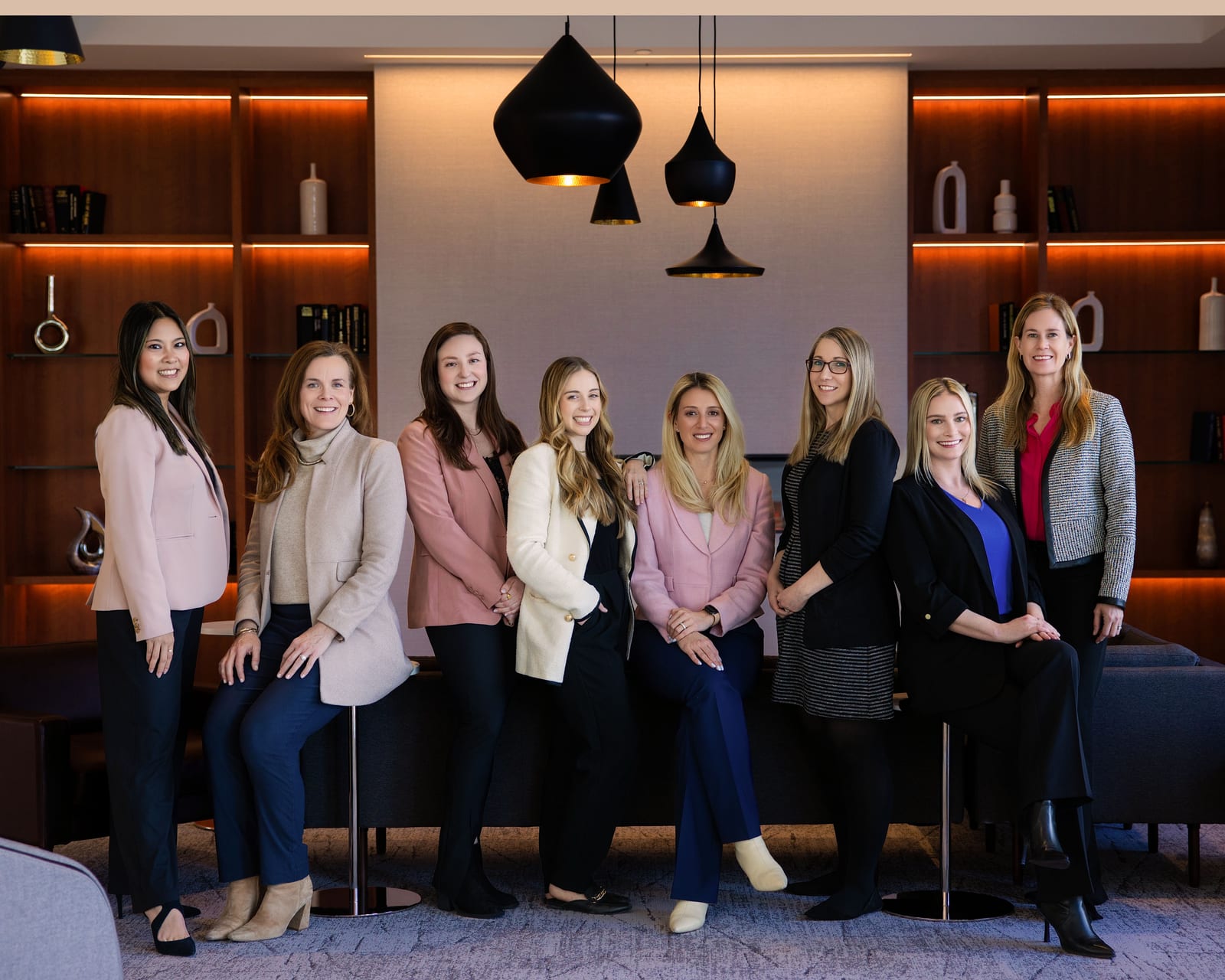
02 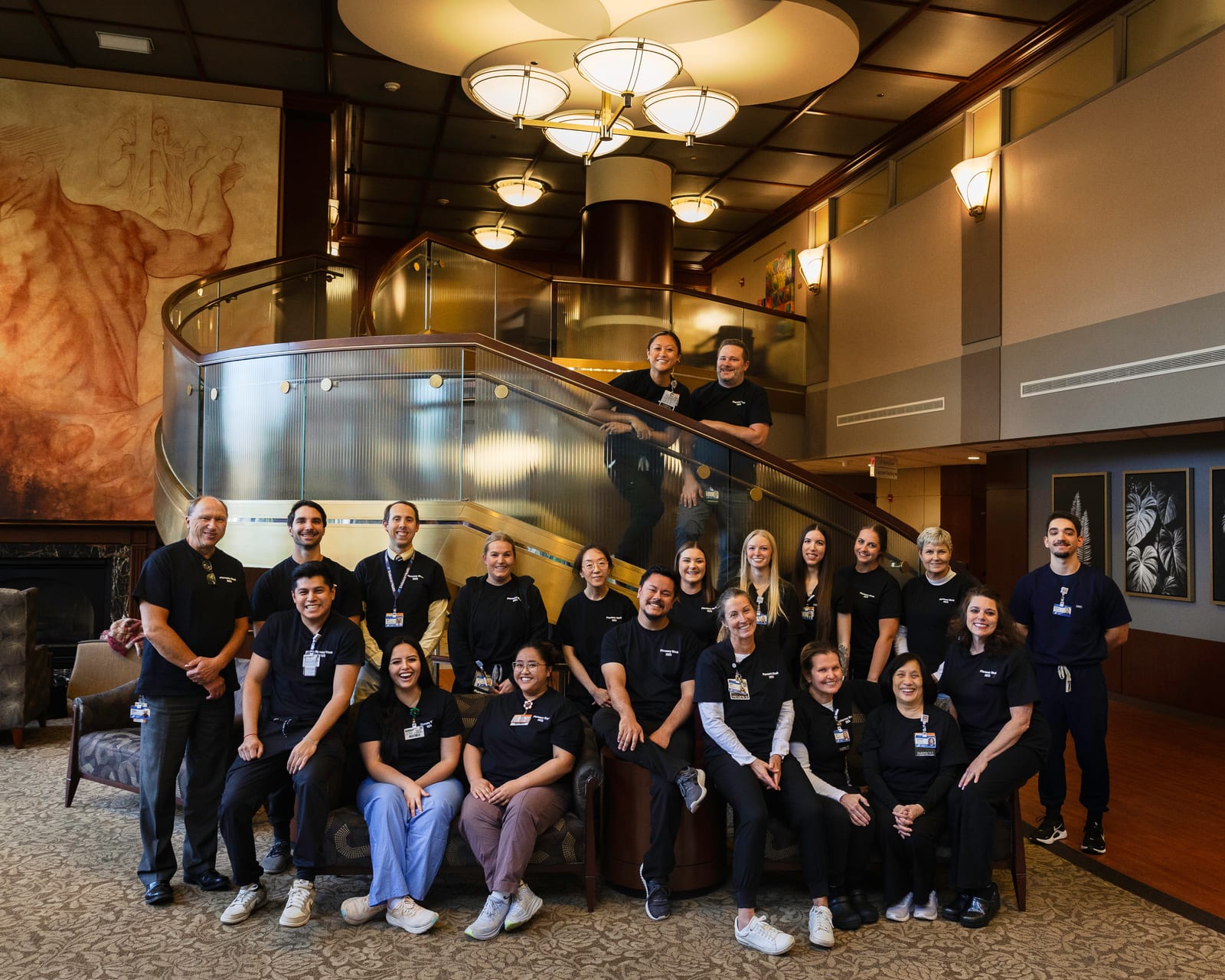
03 
04 05 
06
Video
Video is made the same way as the photography: planned around where it will actually be used, and filmed in your building rather than a hired set.
- Staff and clinician profiles. A series of short films, one per person, built from the same template so a department ends up with a consistent set rather than six different-looking videos. Kay has delivered these as a run of individual pieces for a Chicago-area health system.
- Testimonial films. Patients, clients and members telling it in their own words, cut with captions so the piece works with the sound off — which is how most of them will be watched.
- Social clips. Short vertical cuts sized for each platform, usually produced from the same day as the stills so one visit feeds both.
Everything is filmed and edited in house. Scripts, running order and the question list are agreed before the day, because the single biggest cause of a weak interview film is a person who found out what they were being asked thirty seconds beforehand.
What a corporate day needs
- Space
- A room with a few metres of clear floor and access to power
- Time per person
- Short scheduled slots for portraits; longer blocks for filmed interviews
- A running order
- A list of names and times, which Kay will help build
- Wardrobe
- One short brief circulated beforehand does most of the work
- Specification
- Your background, format and crop requirements, if the brand has them
- Delivery
- Retouched images prepared for web, print and directory use; films delivered cut, captioned and sized per platform
- Cost
- Quoted on the size and scope of the project — headcount, locations, and whether video is included
Healthcare, in particular
Healthcare is the largest part of this work and the most logistically demanding. Clinicians cannot leave a floor for long, the schedule has to bend around clinic hours rather than the other way round, and a visitor who does not understand why is a visitor who slows the day down.
Kay practised as a hospital pharmacist for fifteen years and holds a Doctor of Pharmacy before ever photographing inside one. That is the reason these days tend to run quietly: the badge, the lanyard, the handwashing, the corridor you do not block, and the fact that a department's own rhythm is not negotiable.
The same discipline applies to firms keeping a roster current, brokerages onboarding agents, and practices where a new clinician arrives every few months and has to match the eleven already on the page.
The same applies to firms with a roster to keep current, brokerages with an office of agents, and practices where the whole team appears on one page. Each is a rota problem more than a photography problem, and the photography is only as good as the schedule around it.
For senior leadership specifically — the frames that go into an annual report, an investor deck or a press release — see executive portraits.
Questions from organisers
How many people can be photographed in one visit?
Comfortably forty to sixty in a day on a tight rota, and more across two days. The limiting factor is almost never the camera — it is how quickly people can leave their desks and come back.
What happens to the people who are off that day?
The set-up is recorded — background, light position, distance, lens — so late arrivals and new joiners can be matched afterwards. That is the whole argument for keeping one photographer rather than starting again each time.
Can you photograph group shots as well as individuals?
Yes, and it is worth scheduling deliberately rather than hoping for a gap. A whole-team frame needs everyone in one place at one time, which is the hardest thing to arrange on the day — so it goes in the rota first, usually at the start before anyone drifts back to a desk.
Can you do video and photography on the same visit?
Yes, and it is usually the cheaper way to buy both. The portraits run to a rota while the filmed interviews take longer blocks, so the day is built around the people who need the most time.
Do you work with our marketing team's brand guidelines?
Yes. Background colour, crop, aspect ratio and file naming are agreed before the day, and the delivered set matches the specification rather than needing to be reworked afterwards.
How much does a corporate project cost?
It is quoted rather than priced from a list, because headcount, number of locations and whether video is included change the figure substantially. Send a headcount, a rough date and what the images are for, and a quote comes back the same week.
How far do you travel?
Chicago and the surrounding suburbs, up to about 100 miles from Naperville. Further than that is possible and is quoted with travel included.
For organisations
One visit, one set-up, a page that still matches in three years.
Send a headcount, a rough date and what the images are for. A quote comes back the same week.