Guide
What to Wear for Headshots
Clothing decides more of a headshot than most people expect: it sets the colour, the contrast, the register and how long the photograph stays usable. This guide covers what works on camera, what to avoid, and what changes for healthcare, legal, corporate and creative work.
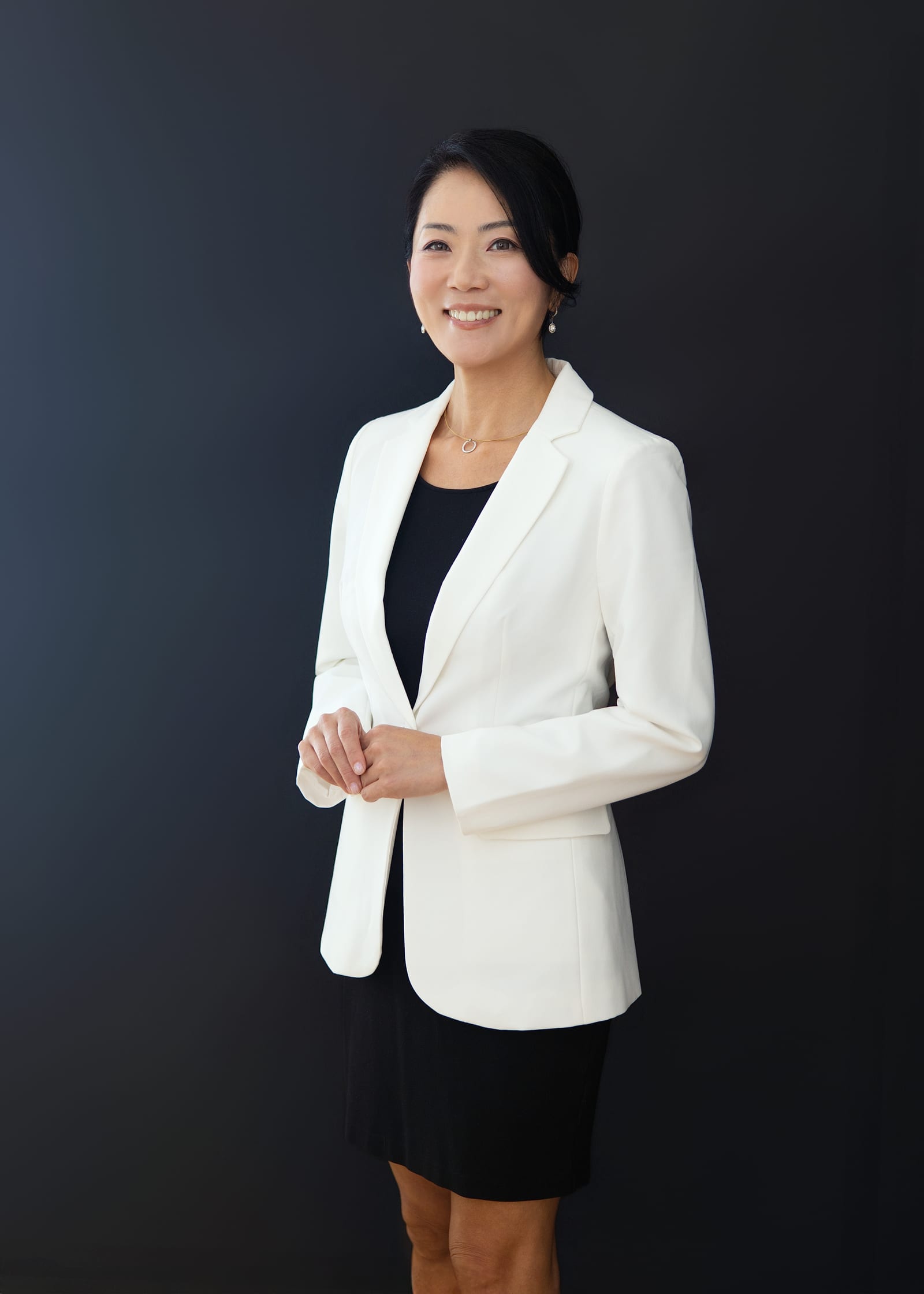
What should you wear for professional headshots?
Wear solid colours in mid to deep tones, with sleeves, in clothes that fit you now and have some structure at the shoulder. Avoid busy patterns, logos, and anything that is either the same tone as the background or brighter than your face. Bring two or three options so the choice can be made on screen rather than guessed in advance.
That is the whole answer, and everything below is the reasoning and the exceptions. The underlying principle is simple: a headshot is a photograph of your face, and clothing's only job is to stop competing with it. Every rule that follows is a version of that one.
Which colours photograph best?
Mid to deep solid tones photograph most reliably: navy, charcoal, forest, burgundy, plum, teal, warm grey, and deep neutrals. They separate cleanly from a light background, they hold detail without going flat, and they date slowly.
Two things go wrong at the extremes. Very pale clothing on a light background merges — the photograph turns into a head floating above a soft cloud. Very bright saturated colour reflects onto your skin, which is why an intense red or magenta jacket can leave a warm cast under the chin that has to be corrected in retouching.
Pure white and pure black are both usable, but they are the hardest cases. White needs a darker background to have anything to separate against; black needs enough light on it to keep the shoulders from disappearing. Both work beautifully when they are chosen deliberately and badly when they are chosen by accident.
If you are being photographed for a specific brand
Bring the brand colours, but wear a version of them rather than the swatch. A colour that works as a logo at full saturation is usually too loud worn next to a face. A muted or deeper relative of the same hue signals the same thing without shouting.
What should you avoid?
- Fine, tight patterns. Thin stripes, small checks, herringbone and closely woven textures can interfere with the camera sensor and produce shimmering colour artefacts. This is a real optical effect, not a style preference, and it is difficult to remove cleanly afterwards. Common in legal and corporate wardrobes — bring a plain alternative.
- Logos and slogans. They date the photograph, they can imply an endorsement you no longer hold, and they pull the eye off your face.
- Sleeveless tops, unless it is deliberate. Bare shoulders in a tight crop read as informal, and in a small directory thumbnail the eye reads skin as a large empty area.
- Anything that no longer fits. A collar that gaps, a shoulder seam sitting halfway down the arm, or a jacket pulling at the button is the first thing a viewer notices and the last thing you want them to.
- Heavy jewellery. Small and personal is fine. Large, reflective or noisy competes with your face and can catch the light awkwardly.
- New clothes you have not worn. They crease in unfamiliar places and you will fidget with them.
- Very recent haircuts. Two weeks of growth photographs better than two days.
What to wear for professional headshots if you wear a jacket
A structured jacket is the most reliable garment in headshot photography and the reason is geometry. It creates a clean diagonal from the shoulder to the lapel, gives the frame a defined edge at the bottom, and holds its shape when you turn — all of which reads as composure. If you own one jacket that fits properly, that is the outfit.
The layer underneath matters more than people expect. A solid top in a tone that contrasts with the jacket gives the frame depth. The same tone as the jacket flattens the whole torso into a single block. A collar — shirt, blouse, or a neat crew neck — gives the neck a defined line, which is why open collarless necklines can look unfinished in a tight crop.
If jackets are not part of how you actually work, do not borrow one. A photograph of a therapist, a creative director or a paediatrician in unfamiliar tailoring reads as a costume, and the audience for each of those actively prefers the real register. A well-fitted knit, cardigan or unstructured layer does the same structural job with a warmer signal.
Quick reference
- Best colours
- Navy, charcoal, forest, burgundy, plum, teal, deep neutrals
- Risky colours
- Pale tones on a light background; intense saturated brights
- Patterns
- Solid is safest; fine stripes and small checks can shimmer on camera
- Sleeves
- Yes — long or three-quarter reads better in a tight crop
- Necklines
- A defined collar or neat crew; avoid very open or collarless in close frames
- Fit
- Clothes that fit today, pressed, worn at least once before
- Jewellery
- Small and personal; nothing large, reflective or moving
- Bring
- Two or three complete options, on hangers
What to wear for healthcare headshots
Under a white coat, wear a solid colour with a defined collar. A very pale top disappears into the coat and leaves a floating head; a fine-patterned shirt is doubly risky because the coat already introduces a large bright area for it to fight with. Mid-tone blues, greens and burgundies sit well against white.
In scrubs, the colour is usually decided for you, so the background does the work instead — the set-up is chosen so scrubs and wall do not merge or clash. Badges and lanyards get straightened or removed; a lanyard twisted so the card faces backwards is the most common small flaw in clinical portraits.
It is worth shooting one set of frames in the coat and one without. The coat reads instantly as clinical authority, which is right for a hospital directory and slightly formal for a practice site trying to feel approachable. Shooting both costs a few minutes and stops you being locked into one register for three years. More on this on the physician headshots page.
What to wear for a LinkedIn headshot
LinkedIn renders your photograph as a small circle, frequently on a phone, so contrast matters more than detail. Choose something that is clearly a different value from the background — light clothing against a darker ground, or darker clothing against a lighter one. A dark jacket on a dark background at thumbnail size becomes a silhouette.
Because the crop is tight and circular, the useful area of your outfit is roughly the collar and the top of the shoulders. Anything below that is invisible. This is why fussing over a full outfit for a LinkedIn photograph is wasted energy and why the collar, the neckline and the shoulder line are worth all of it.
There is a fuller guide to LinkedIn photo guidelines, and a LinkedIn headshot session page.
Common questions
How many outfits should I bring to a headshot session?
Two or three complete options for a headshot session, on hangers rather than folded. More than three usually costs time that would be better spent on expression. A branding session is different — it is built around multiple looks, and the number is planned in advance as part of the image plan.
Should I wear makeup for a headshot?
Wear what you would wear to an important meeting, slightly more defined. Cameras flatten features, so what looks like normal daytime makeup often reads as barely-there. Matte over dewy — shine photographs as a highlight, and it is easier to add glow in retouching than to remove it.
What about glasses?
Wear them if you wear them daily. A portrait of you without your glasses is a portrait of somebody else, and it undermines the recognition the photograph exists for. Reflections are managed by adjusting the frames and the light, not by removing your glasses. Anti-reflective coatings help; if you have an unused frame without lenses, bring it as a fallback.
Can I wear a plain white shirt?
Yes, on the right background. White against a light grey or white backdrop leaves nothing to separate against, so it needs a mid or dark ground behind it. Against a dark background a white shirt is one of the cleanest looks there is. Bring a second option so the decision can be made on screen.
Do these rules change for creative industries?
The technical rules do not — fine patterns still shimmer and pale-on-pale still merges. The register does. Creative and artistic work supports texture, colour and personality that would be distracting in a legal or clinical portrait, and a photograph that looks like everyone else's is a worse outcome in that field than a slightly unconventional one.
When you are ready
Wardrobe guidance comes with the session anyway.
Every session includes advice specific to you, your colouring and where the photographs are going — not a generic checklist.