Guide
How to Pose for Headshots
Almost nobody photographs badly. Most people have simply never been directed, and a camera pointed at a silent, motionless person produces exactly the stiff result that everyone dreads seeing. These are the small adjustments that do most of the work in a portrait.
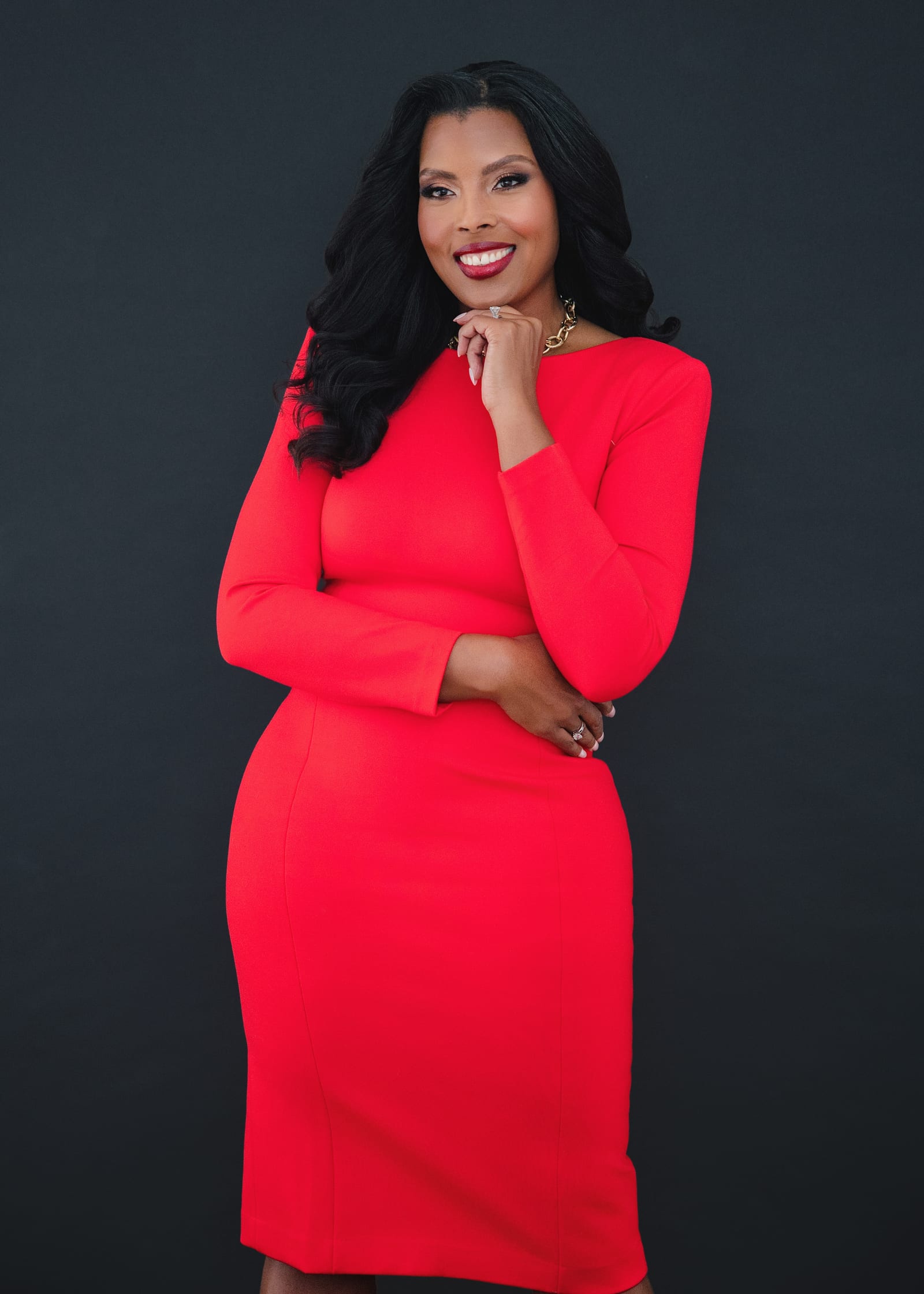
Why do people look stiff in photographs?
Because being photographed is a strange social situation with no script. You are asked to look at a machine as though it were a person, hold an expression for longer than any expression naturally lasts, and do it while being watched. The body's response is to freeze: shoulders rise, the jaw sets, the chin retreats, and the eyes go slightly dead because they are not looking at anything.
None of that is a personal failing and none of it is fixed by trying harder. It is fixed by being given something to do. Every technique below is really a way of giving the body a task so it stops performing stillness.
The adjustments that matter most
Chin forward and slightly down
The single most effective correction in portraiture, and the one that feels most absurd. Push your forehead a little toward the camera and drop the chin a fraction. It feels like a giraffe; it photographs as a defined jawline. The instinct to pull the chin back does the opposite.
Shoulders down, and turned
Square-on to the camera makes the body a rectangle. Turning the shoulders fifteen to thirty degrees while the face returns to the lens gives the frame depth. Then drop the shoulders — they will have crept up.
Weight on the back foot
Standing evenly on both feet locks the hips and the spine. Shifting weight onto the rear foot creates a small, natural asymmetry through the whole body that the camera reads as ease.
Hands doing something specific
Hands are the second most common source of awkwardness and the easiest to solve: in a pocket with the thumb out, holding a lapel, folded but not clamped, resting on a rail. Anything except hanging.
Eyes with somewhere to go
Look away, then back on a count. The first fraction of a second after your eyes return is the most alive they get, which is why photographers ask people to blink and look up — it is not a superstition, it is timing.
What about the smile?
A held smile decays within about two seconds. It starts genuine, becomes maintained, and ends as a strained shape around the teeth with no change in the eyes — which is the photograph everybody has of themselves and dislikes.
The fix is to smile on a cue rather than continuously: relax the face fully, then bring the expression up as the shutter approaches. It feels inefficient and it is the difference between an expression that involves the eyes and one that only involves the mouth.
Which expression to aim for depends entirely on who is looking. A closed-mouth, engaged expression reads as competent almost everywhere and is the safest default for legal, financial and executive work. A warmer open smile suits healthcare, real estate and anything client-facing. A completely neutral face reads as authoritative in a large print portrait and as cold in a small directory thumbnail — the frame size changes the meaning.
The short version
- Chin
- Forward and slightly down — not back
- Shoulders
- Turned 15–30°, then consciously dropped
- Weight
- On the back foot, never evenly on both
- Hands
- Given a specific job; never left hanging
- Eyes
- Look away and return on a count
- Smile
- On a cue, not held
- Breathing
- Breathe out just before the frame — held breath shows in the neck
You will not have to remember any of this
This guide exists because people search for it, and reading it does no harm. But in a directed session none of it is your job. Kay gives continuous instruction — small, specific, one thing at a time — and the images go up on screen as the session runs so you can see the difference an adjustment made rather than take it on trust.
That is the actual answer to I don't know how to pose: you are not supposed to. Knowing how to pose people is the photographer's job, and a session where the subject is left to solve it alone is a session that has gone wrong.
If you are anxious about it, say so at the start. It changes the pace of the session rather than being something to push through.
Questions
How do I avoid a double chin in photographs?
Push the forehead slightly toward the camera and drop the chin a fraction — the movement that feels most unnatural is the one that works. Camera height matters just as much: a lens slightly above eye level lengthens the neck, and the low-angle phone photograph is the reason most casual pictures look worse than the person does.
What do I do with my arms?
Give them a job with a defined endpoint. A hand in a pocket with the thumb showing, a hand on a lapel, forearms folded loosely, a hand resting on a rail or the back of a chair. Folded arms clamped tightly read as defensive; arms hanging straight down read as unfinished.
Should I look directly at the camera?
For a headshot, usually yes — direct eye contact is what makes the photograph feel like an introduction. Frames looking slightly off-camera are useful as a secondary option for websites and articles, where a portrait looking into the text reads well. Most sessions produce both.
Which is my good side?
Most faces are asymmetric and most people do have a preferred side, though it is rarely the one they think. It is worth photographing both and comparing on screen during the session rather than deciding beforehand — the answer often surprises people.
Book a session
You will be directed the whole way through.
Nobody is left holding a face and hoping. Every session is guided, and reviewed on screen as it happens.