Guide
How to Prepare for a Headshot Session
Preparation for a headshot session is mostly unglamorous, and mostly about sleep, timing and having a few options with you. Nothing on this list is difficult, but skipping the timing ones is the usual reason someone arrives wishing they had booked a different week.
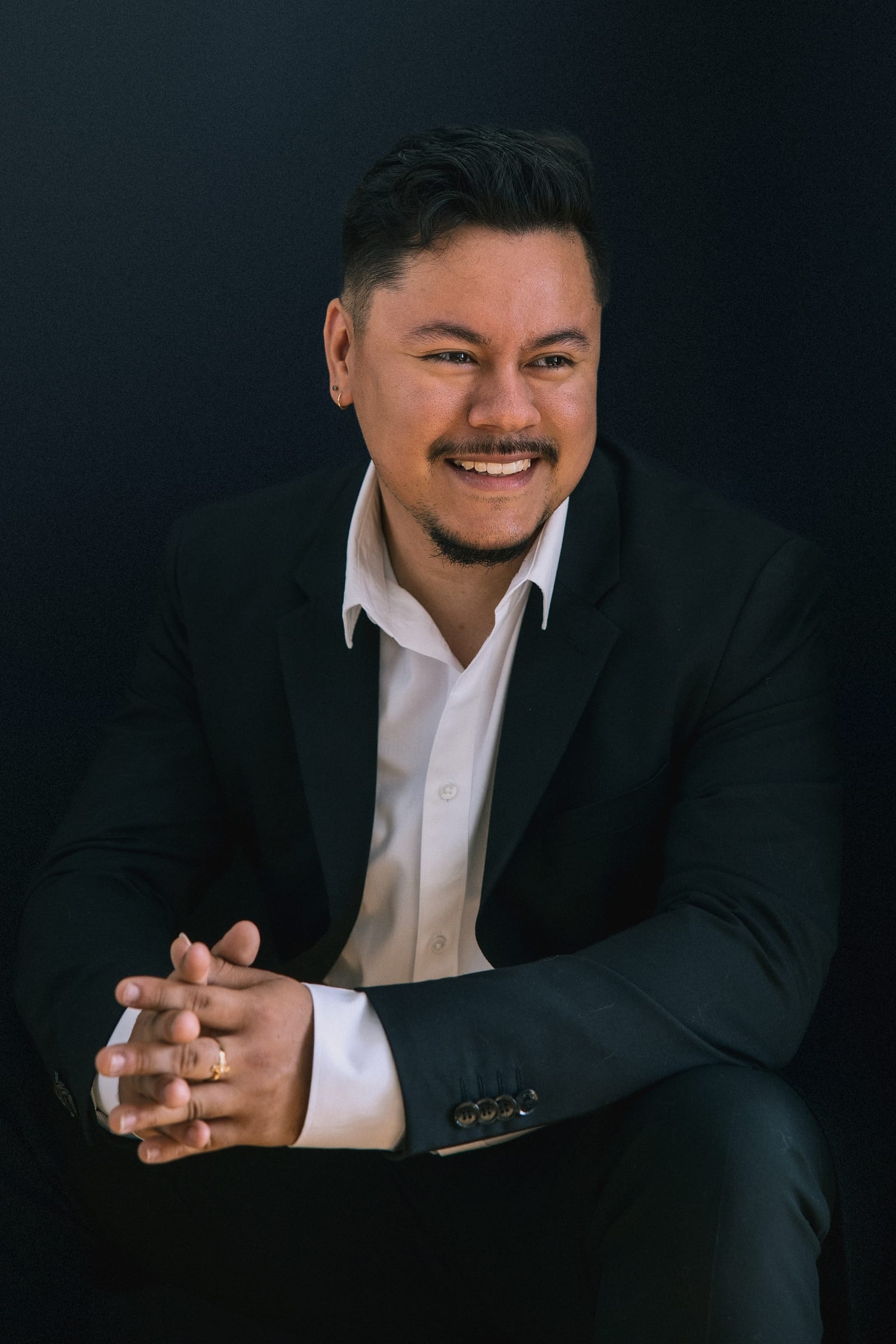
What should you do before a headshot session?
Get a haircut about two weeks ahead, not two days. Choose two or three outfits and have them pressed and on hangers. Sleep properly the night before and drink water the day before, not just the morning of. Arrive without a tight commitment immediately afterwards. That is genuinely most of it.
The reason preparation matters at all is that a camera has no tolerance for tiredness. It records puffiness under the eyes, dehydrated skin and a jaw held tight, all of which look like mood rather than logistics. None of that is fixable by retouching in a way that still resembles you.
The timeline
- 01
Two weeks before — haircut and colour
Freshly cut hair sits oddly and reads as new; two weeks of growth photographs as normal. If you colour your hair, this is also the window where roots and tone are at their most even.
- 02
One week before — choose the clothes
Pick two or three complete options and actually try them on. This is when you discover that the jacket does not close any more, which is a much better week to find out.
- 03
Two days before — skip the experiments
No new skincare, no first-time facials, no unfamiliar treatments. Reactions are common, they take days to settle, and they always time themselves badly.
- 04
The night before — sleep and water
Hydration shows up a day later, not an hour later. A normal night's sleep does more for a portrait than anything you can apply in the morning.
- 05
The morning — allow slack
Arrive unhurried. A session that starts with someone still catching their breath spends its first ten minutes undoing that.
What to bring
- Clothes
- Two or three complete options, pressed, on hangers rather than folded
- A layer
- One jacket, cardigan or structured layer even if you think you will not use it
- Glasses
- The pair you actually wear daily; an empty frame too, if you have one
- Grooming
- Whatever you use to touch up — powder, a comb, lip balm
- Lint roller
- The most useful object on this list, and the one people forget
- Brand spec
- Any background, format or crop requirement from your employer or brokerage
- Nothing else
- Props are almost never needed and usually date the photograph
What about skin, makeup and shaving?
Cameras flatten features and exaggerate shine. Makeup that looks like a normal working day often reads as barely-there in a photograph, so slightly more definition than usual — around the eyes and the lip line particularly — tends to photograph as natural. Matte rather than dewy: shine records as a bright highlight, and it is easier to add luminosity in retouching than to remove a hotspot.
If you shave, do it the morning of rather than the night before, and take the extra minute on the neckline. If you have a beard, tidy the edges a few days out so it does not look freshly drawn.
Blemishes are not worth rescheduling for. Temporary things — spots, small cuts, a stray hair — are exactly what retouching is for and are removed as a matter of course. Permanent features are not removed unless you ask, because the photograph is supposed to be of you.
What if you hate being photographed?
Say so at the start. It is the most common thing people bring to a session, including people who present publicly for a living, and it changes how the session is run rather than being something to push through.
Two things do most of the work. The first is continuous direction — being told where to put your weight, what to do with your hands and when to breathe out removes the silence where self-consciousness grows. The second is seeing the images on screen as they happen, which converts the whole thing from an act of faith into something you are steering.
There is a separate guide on posing, although in practice you will be directed through all of it on the day.
Questions
How long before a headshot should I get a haircut?
About two weeks. A haircut on the day looks like a haircut on the day — the shape is sharp, the neckline is stark, and it reads as an event rather than as how you normally look. Two weeks of growth settles into your usual shape.
Should I get my makeup done professionally?
It is not required and plenty of excellent headshots are made without it. It helps most if you rarely wear makeup and want the evenness without doing it yourself, or if the images are for a significant campaign. If you do book someone, ask for matte and for slightly more definition than daytime.
What if I have a cold or a spot on the day?
A spot is nothing — temporary blemishes are removed in retouching without a second thought. Feeling genuinely unwell is different, and worth moving: it shows around the eyes in a way that is not correctable, and nobody photographs well while trying to keep a cough down.
Can I bring someone with me?
Yes, and for some people a second opinion on wardrobe is genuinely useful. It is worth knowing that an audience makes some people markedly more self-conscious, so bring someone whose presence relaxes you rather than someone you feel observed by.
Book a session
Turn up rested. The rest is handled.
Planning, wardrobe guidance and direction throughout are part of every session — you are never left to work it out alone.